
The commercial roofs we see fail early in South Surrey aren't usually bad roofs — they're roofs nobody looked at for eight years. A maintenance program isn't about cleaning. It's about catching the seam that's starting to lift, the drain that's been half-blocked since last fall, and the HVAC tech who patched his own penetration with silicone. Most of what turns into a $50K early replacement started as a 90-minute repair somebody missed.
Build a real record for the building
Start with what you have: roof type, install date, warranty documents, past leak reports, repair invoices, any photos. Organize it by building and by roof zone — north wing, south wing, mechanical penthouse — so the next property manager and the next contractor can actually follow what's happened up there.
Every leak gets logged: date, weather, where it came through inside, what we did. Three leaks in different units over two years usually trace back to one drainage issue, but you only see that pattern if someone wrote it down.
What a proper commercial inspection covers
- Drains, scuppers, and overflow paths — including the strainer baskets
- Membrane seams, laps, fasteners, and any visible blistering or punctures
- Flashings at parapets, curbs, walls, skylights, and every penetration
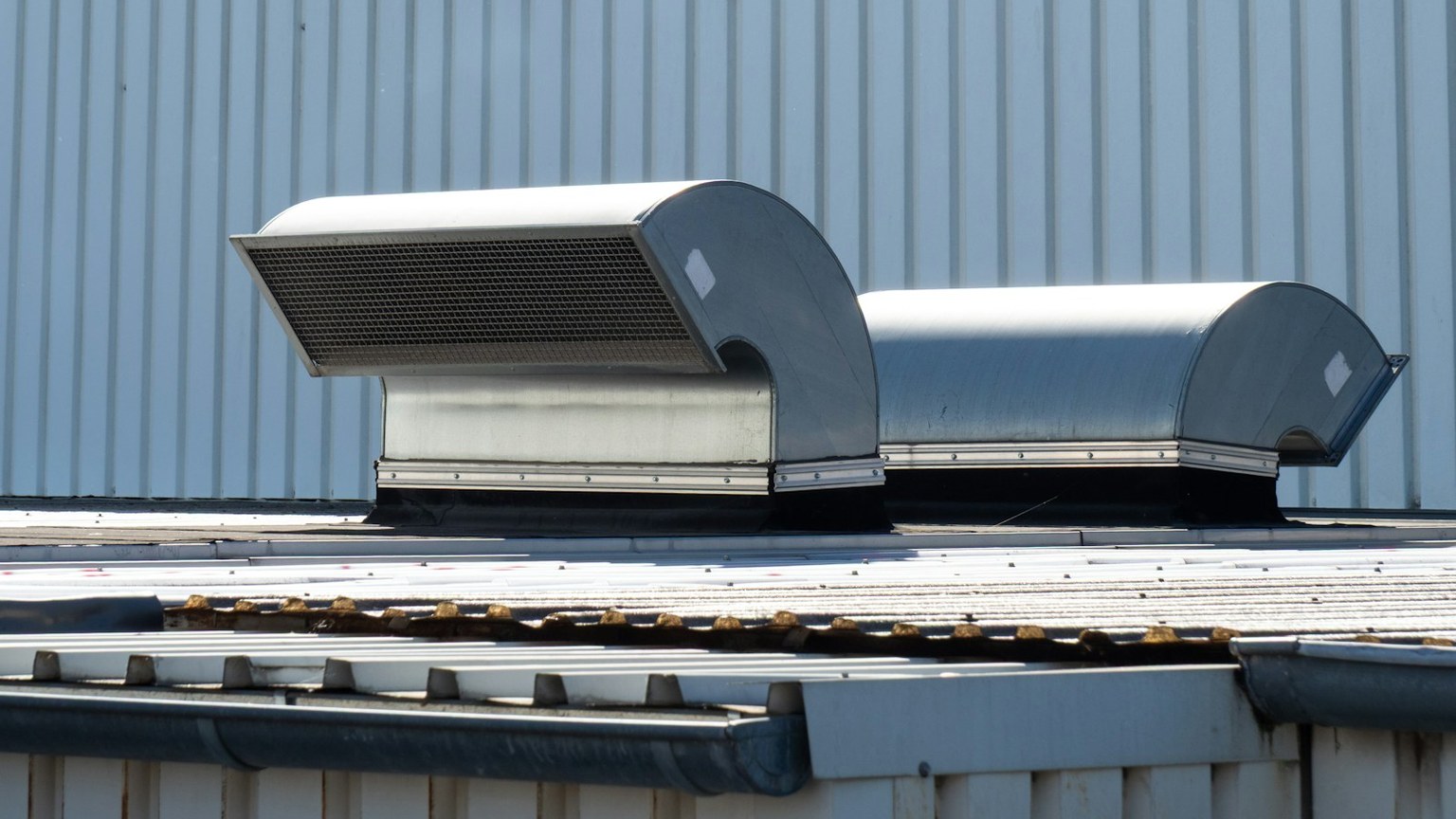
- HVAC supports, walkpads, and the routes service techs are actually using
- Debris, vegetation, and ponding spots that don't drain within 48 hours
- Past repairs — and whether they're still holding or starting to move
What we can confirm depends on safe access. Suspected hidden moisture sometimes needs an infrared scan or core samples to get a real answer.
Prioritize so you can actually budget
A maintenance report that just lists problems doesn't help anyone. We split findings into three buckets: active water-entry risk that needs to be fixed now, preventive work that should be scoped in the next 6 to 12 months, and capital items to plan for. That gives you something you can take to ownership without translating it.
Maintenance keeps a serviceable roof going. It does not bring a failed one back. When deterioration is across the whole roof, repeated repairs cost more than the replacement they're delaying.
Control who's walking on your roof
More commercial roofs get damaged by other trades than by weather. HVAC, telecom, solar, satellite — every one of those crews can punch a hole or leave a penetration sealed with caulking that lasts one winter. Require a sign-in, mark walking routes with walkpads, and have any new rooftop installation reviewed against the roofing system before it's approved.
Inspection rhythm that actually matches our weather
For most low-slope commercial roofs in the Lower Mainland, we recommend a fall inspection before the rainy season hits and a spring inspection after. Add a visit after any major windstorm or after any new rooftop equipment goes in. If your manufacturer warranty has a specific inspection requirement, follow that — it's how you keep the coverage.
Plan the next decision with evidence
The point of a maintenance program is that when something does come up, you already know the rest of the roof. For an active issue, book a roof repair assessment. For a bigger capital scope, request a commercial roof consultation and we'll put together a property-wide picture.