
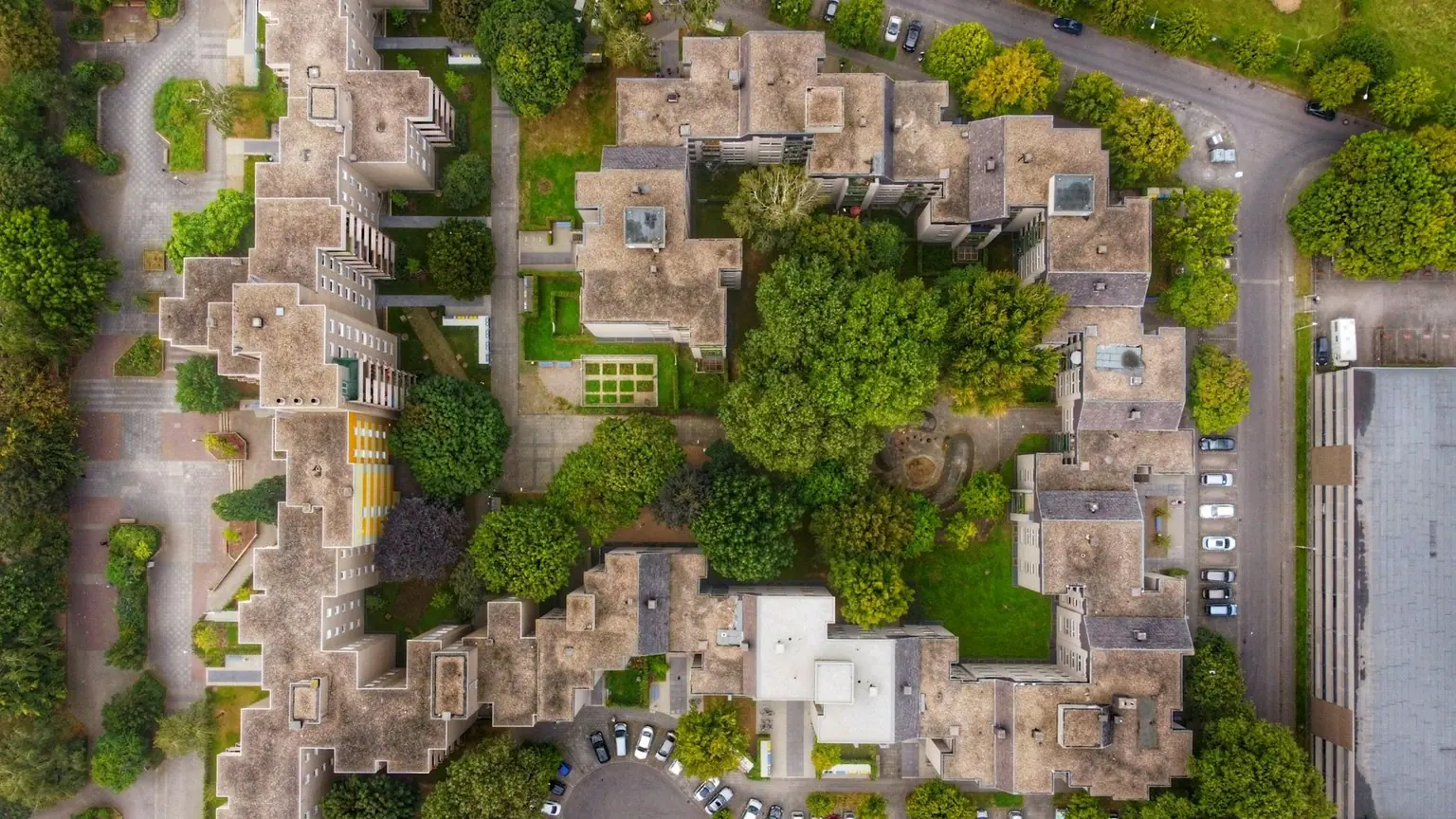
A strata roof replacement is one of the largest capital projects a council will manage. The work itself is only part of it — planning, communication, and procurement decisions made months in advance usually have the biggest impact on cost, timeline, and resident experience. The checklist below outlines the steps councils in Surrey and the Lower Mainland can follow to keep a reroofing project on track.
1. Confirm the condition of the roof
Start with a professional condition assessment, not a guess based on age. A qualified roofer should walk the roof, document leak history, evaluate flashings, valleys, penetrations, and ventilation, and provide an estimated remaining service life. This report becomes the foundation for every other planning decision.
2. Align with your depreciation report
BC strata corporations rely on their depreciation report to plan major expenditures. Compare the roof’s actual condition to what the report assumed, then update your timing and reserve targets accordingly. A roof that is failing earlier — or lasting longer — than the report estimated changes the funding plan.
3. Define the scope clearly before getting quotes
Inconsistent quotes almost always come from inconsistent scopes. Decide upfront, in writing, what is included:
- Tear-off depth and disposal
- Underlayment and ice-and-water shield specifications
- Replacement of vents, flashings, and pipe boots
- Ventilation upgrades and intake/exhaust balance
- Sheathing replacement allowance
- Gutter and downspout handling
- Warranty terms — workmanship and manufacturer
When every contractor quotes the same scope, councils can compare apples to apples instead of guessing at differences.
4. Plan the budget with contingencies
Build a contingency line of 10–15% for items that only become visible after tear-off — decking repairs, hidden flashing issues, or additional ventilation work. Present the budget to owners as two numbers: the contracted price and the contingency, so there are no surprises if hidden conditions appear.
5. Select contractors carefully
For multi-building or large complexes, shortlist contractors with documented experience on comparable strata roofing projects. Confirm WorkSafeBC coverage, liability insurance, references from similar strata work, and the team that will actually be on site.
6. Sequence the work realistically
Decide early whether the project will be completed in one season or phased across multiple. Phasing can spread cost but requires careful weather protection between phases and a clear plan for which buildings go first. The contractor should propose a sequence that minimizes resident disruption and avoids exposed assemblies during heavy rain.
7. Communicate with residents
Before work starts, residents need to know:
- Project dates and daily working hours
- Parking and access changes
- Noise, dust, and balcony or patio impacts
- Who to contact with concerns during the project
- What to do with skylights, satellite dishes, or rooftop items
A short pre-project notice plus a weekly status update is usually enough to keep complaints manageable.
8. Document everything for the strata record
Keep contracts, inspection photos, daily site notes, warranty certificates, and final sign-off documents in one accessible place. These records matter for future owners, insurance, and the next depreciation report update.
When to Call True North Strong Contracting
If your council is starting to plan a roof replacement and wants experienced help scoping the project, True North Strong Contracting can support you from the first assessment through final sign-off. We work regularly on strata roof replacement planning across Surrey and the Lower Mainland, and can also coordinate the technical scope with our full roof replacement service so council members get one consistent plan to take to owners.