
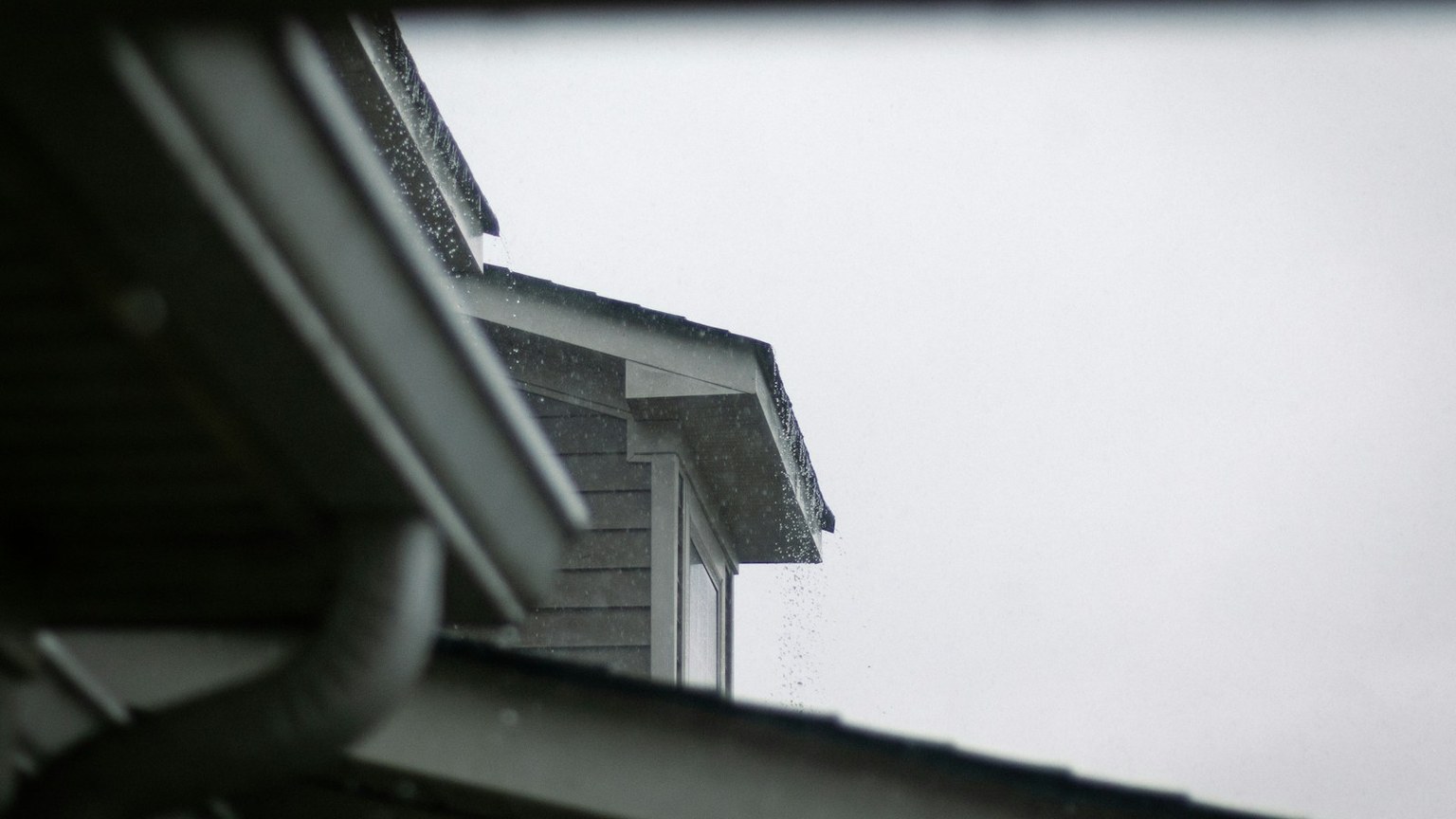
White Rock roofs deal with months of damp, salt off the water, and shaded slopes that never fully dry between November and April. None of that is dramatic on any given day — it's the slow version of weather damage. The good news: most of what shortens a coastal roof's life is preventable with a routine you can do from the ground in an afternoon twice a year.
Spring: see what winter did
Walk the property and look up. From the ground or a steady ladder at the eaves, check for shingles that have shifted or gone missing, debris piled in valleys, metal edges peeled back, and gutters that overflowed during the last big storm (look for water stains down the fascia). Inside, look at ceilings and any attic hatch for fresh staining you haven't seen before.
Summer: trees and moss
If branches are dragging on the roof or dumping needles into the valleys, get an arborist to take them back. Don't try to pressure wash moss — it tears the granule layer off asphalt shingles and drives water sideways into flashings. The right approach is a zinc-based moss treatment applied during dry weather, then letting the moss die and weather off naturally. We can handle this if you'd rather not.
Don't walk on the roof yourself. Even on a dry day, a White Rock shingle roof with moss on it is slick, and the brittle ones crack the moment you step wrong.
Fall: drainage is the whole game
This is the most important visit. Clear every gutter, every downspout, and every downspout outlet. Watch where the water actually goes — overflowing downspouts behind shrubs aren't doing their job. On any flat section (covered entries, low-slope additions), make sure drains and scuppers are clear. Standing water tests every seam, and our fall rain is going to find anything weak.
Winter: watch from indoors
During real wind or heavy rain, stay inside and watch. Look for ceiling spots, listen for unusual dripping in walls, smell for musty attic air, and check that water is leaving the gutters properly. Take a photo with a timestamp if you see anything. If water actually comes through, follow the steps in our leaking roof guide — don't go up there in a storm.
The thing most homeowners miss: attic ventilation
A surprising number of "leaks" we get called out for in White Rock turn out to be attic condensation. Bathroom fans that vent into the attic instead of through the roof, blocked intake vents under the soffits, or insulation that's been pushed up against the eaves — all of it traps moisture, drips back down, and stains ceilings exactly like a leak does. It also kills the underside of your decking over time. A real roofing assessment looks at this, not just the shingles.
When to call a roofer
- After a real windstorm or any falling branch hit
- When shingles, flashings, or edge metal look displaced from the ground
- When gutters keep overflowing after you've cleaned them (they may be undersized or sloped wrong)
- When stains, musty smells, or moisture show up indoors
- When you don't know how old the roof is
The right schedule depends on the roof — age, exposure, shade, and what kind of warranty you're trying to maintain. A proper assessment tells you what's actually going on without pushing you toward a replacement you don't need.
Keep your own simple log
Dated photos, receipts, and a few notes go a long way. When something does come up later, that history makes the repair assessment faster and more accurate.