
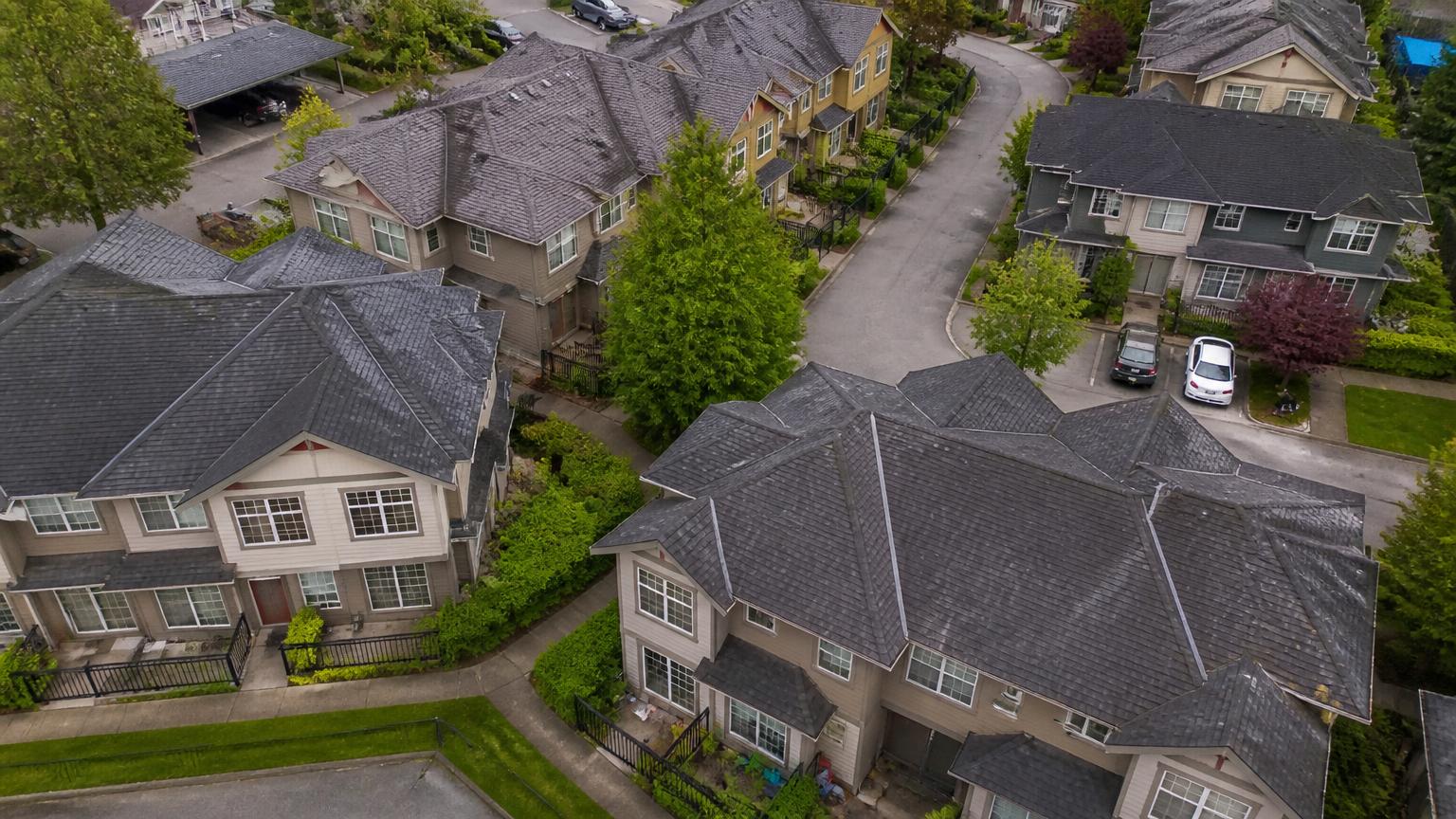
A roof is usually the largest single line item a BC strata will ever fund. The councils that get through it smoothly are rarely the ones with the most money — they are the ones that started the financial conversation two or three years before the roof forced it.
Start from the depreciation report, then verify it
Your depreciation report gives you an expected replacement year and a cost estimate, and it is the right starting point. It is not a quote. Estimates in an older report can be well behind current labour and material pricing, and the assumed remaining life may not match what the roof is actually doing. Get a current condition assessment and use it to update the number your budget is built on.
Know what actually drives the price
Two complexes with the same unit count can be priced very differently. Roof area and pitch, the number of existing layers, condition of the sheathing, ventilation upgrades, access and staging for equipment, and material choice all move the total. Our breakdown of what drives roof replacement cost is the same logic scaled up to multi-building sites.
Funding routes councils actually use
- Contingency reserve fund. Cleanest path when the CRF has been built for it. Confirm the balance available after other planned expenditures, not the headline number.
- Increased monthly contributions. Starting earlier means smaller increases, and owners generally tolerate a planned increase far better than a special levy.
- Special levy. Requires a 3/4 vote at a general meeting. Expect questions, and expect them to be about fairness and timing more than about roofing.
- Strata financing. Spreads the cost, adds interest cost. Worth modelling beside a levy so owners can compare rather than react.
Confirm the process and thresholds that apply to your strata with your property manager or legal advisor before you take a number to owners.
Get quotes you can actually compare
Ask every bidder to price the same defined scope: the same buildings, the same underlayment and ventilation specification, the same allowance for sheathing replacement, and the same disposal and site protection expectations. Without that, the lowest number is usually just the narrowest scope. Ask each contractor to state their workmanship coverage in writing alongside the manufacturer warranty — see how those two differ.
Build in contingency and a decision timeline
Hidden sheathing damage is the most common source of change orders on older complexes. Carry an explicit contingency rather than presenting a single tidy figure that later moves. Then work backwards from the construction window: quotes, council review, owner meeting notice periods, and the vote all take time, and roofing schedules in the Lower Mainland fill early for the dry months.
Bring owners along before the vote
Owners approve projects they understand. Photographs of the current condition, the maintenance history, what happens if the work is deferred another two years, and the cost per unit under each funding option do more to carry a vote than any presentation of roofing detail. Our planning checklist for councils sequences the whole process.
Get a current number for your complex
True North Strong Contracting works with strata councils and property managers across Surrey, White Rock, Coquitlam, Burnaby, and Vancouver. We will assess the roofs, provide a scoped budget figure you can put in front of owners, and outline how a multi-building project runs — including phasing if funding needs to be spread across years.