
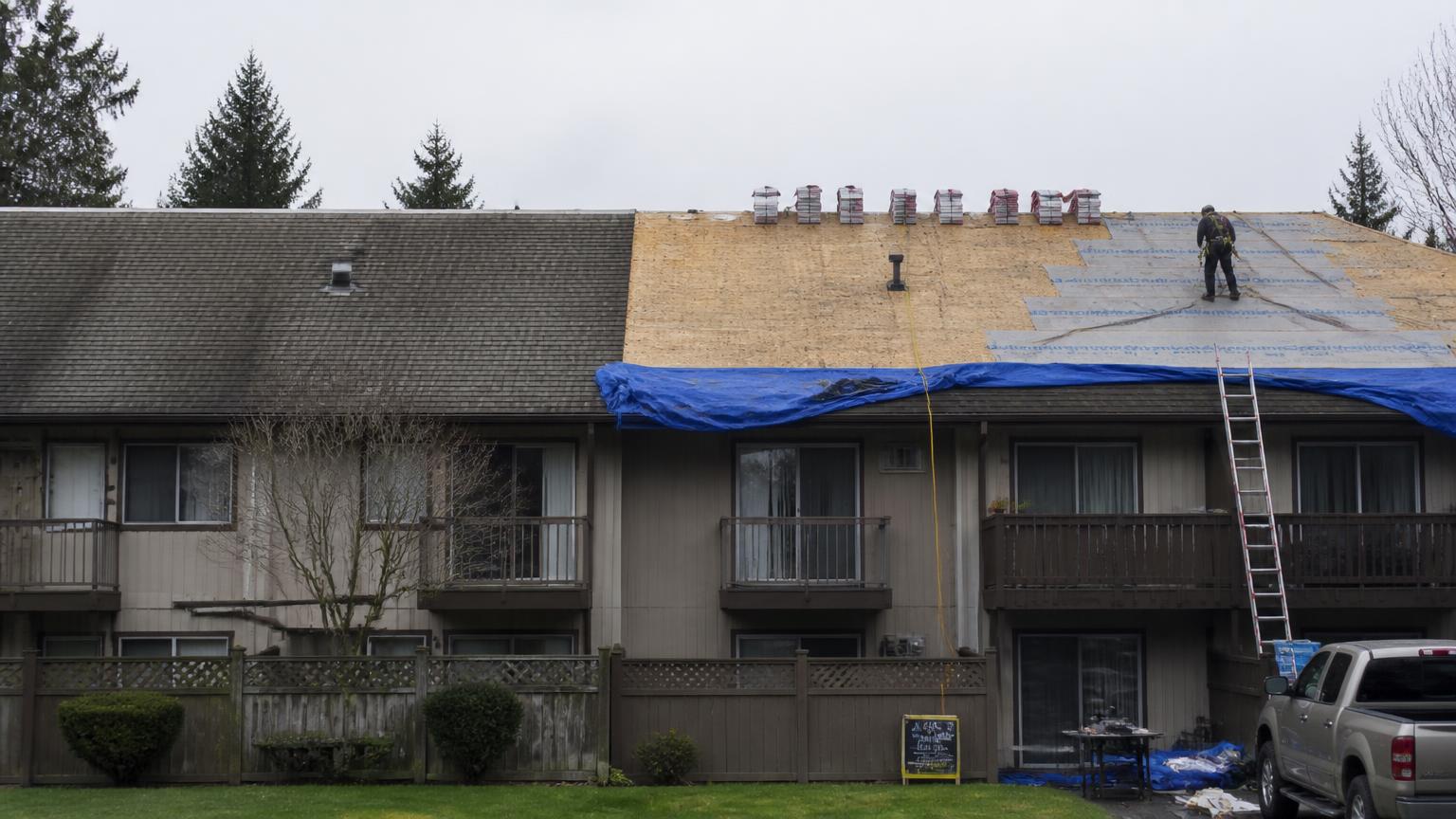
Not every strata can replace every roof in one season. Funding may only cover part of the work, or the dry-weather window may not be long enough for a large complex. Phasing is a legitimate answer — as long as the sequencing is driven by roof condition and weather protection rather than by which building complains loudest.
When phasing makes sense
- Funding is being assembled over two or more budget years
- The complex is large enough that one season cannot cover it safely
- Buildings are at genuinely different stages of wear
- A special levy is more palatable to owners when split across years
When every roof is at end of life at the same time, phasing mostly buys risk. In that case the honest conversation is about funding the whole project, not staging it.
Sequence by condition, not convenience
The first phase should be the buildings with active leaks, the most exposed elevations, and the worst remaining life — documented with an assessment so the order can be defended at a general meeting. South and west elevations in the Lower Mainland take the brunt of the driven rain, and roofs shaded by mature firs hold moisture longest.
Protecting the buildings that wait
Deferred buildings still need to make it through another winter or two. That means an interim maintenance and repair allowance in the budget: clearing valleys and gutters, replacing cracked vent boots, resecuring lifted shingles, and re-inspecting after storms. It is far cheaper than an interior water damage claim, and it protects the credibility of the phasing plan. Our strata maintenance guide covers what that program looks like.
Weather protection during active work
On any given day, only as much roof is opened up as the crew can dry in before the weather turns. That means working in sections, tarping and mechanically securing exposed areas at the end of each day, and watching the forecast rather than the calendar. On the coast, nobody strips more roof than they can close.
Communication is half the project
Residents accept noise and disruption they were warned about. A workable pattern:
- A written schedule by building, issued before the phase starts
- Notice a week ahead and again the day before, for each building
- Clear instructions on parking, patio items, balcony use, and pets
- Expected working hours and one named contact for issues
- A short update whenever weather moves the schedule
Pricing across phases
Phasing usually costs a little more in total than a single mobilization — you are paying for setup, staging, and disposal more than once, and later phases face material and labour escalation. Ask for that difference to be quantified up front so council can weigh it against the funding advantage, and confirm whether pricing for later phases is held or subject to adjustment. The same budgeting groundwork applies to each phase.
Plan a phased project with us
True North Strong Contracting scopes and sequences multi-building roofing across the Lower Mainland. We will assess each building, recommend a defensible phase order, and set out the interim protection needed for the roofs that wait — so the plan holds up in front of owners and through the winter.