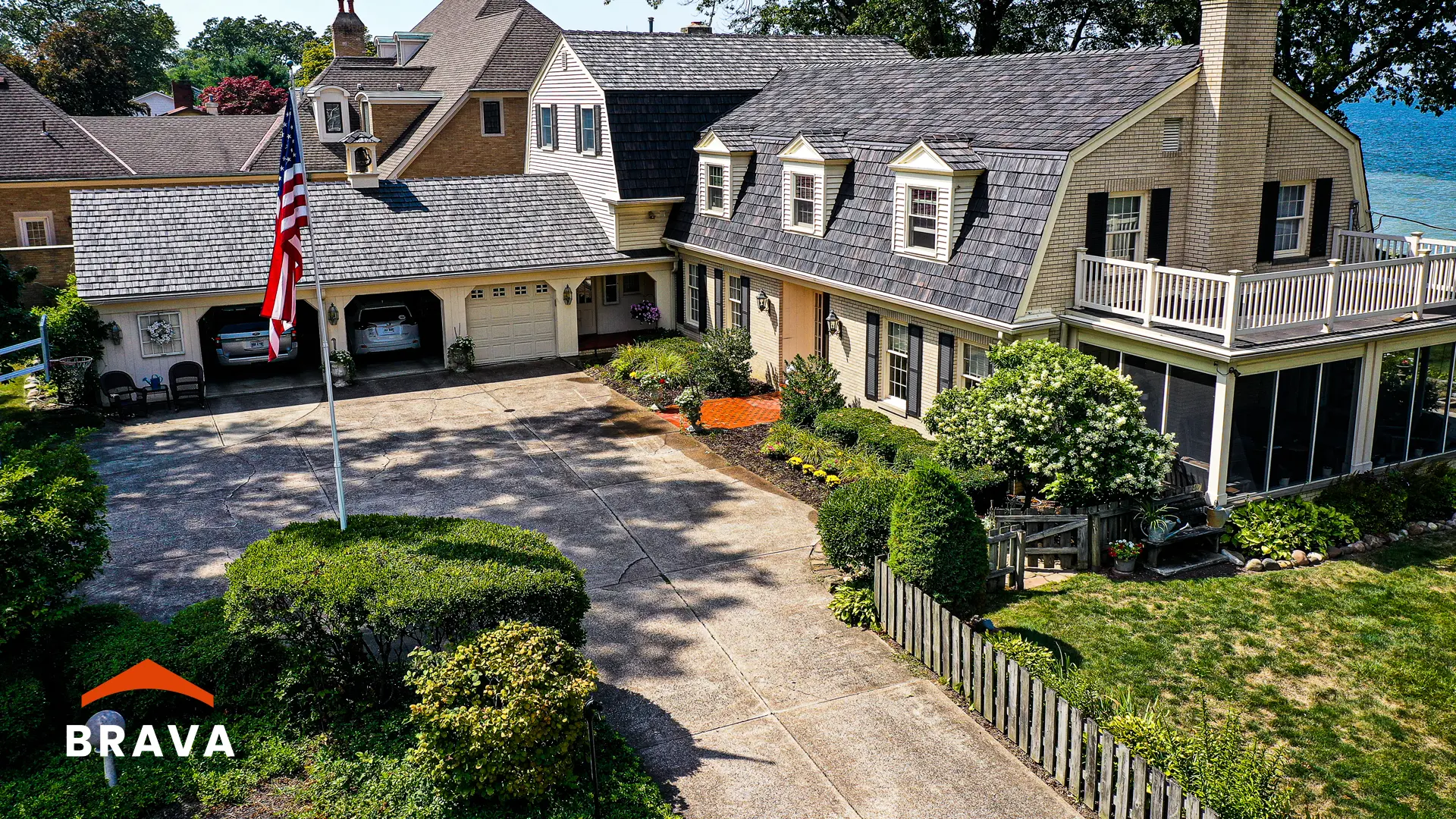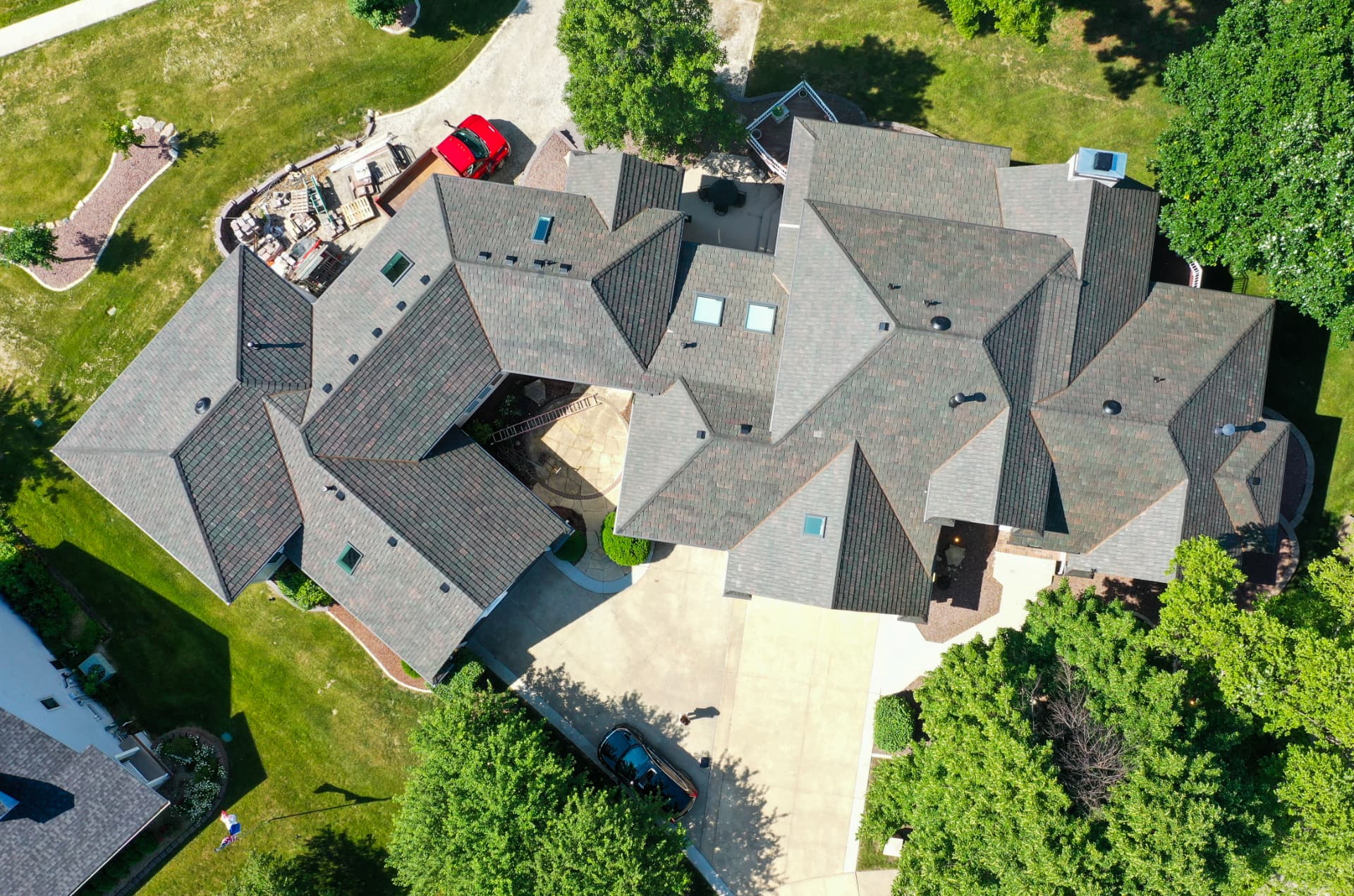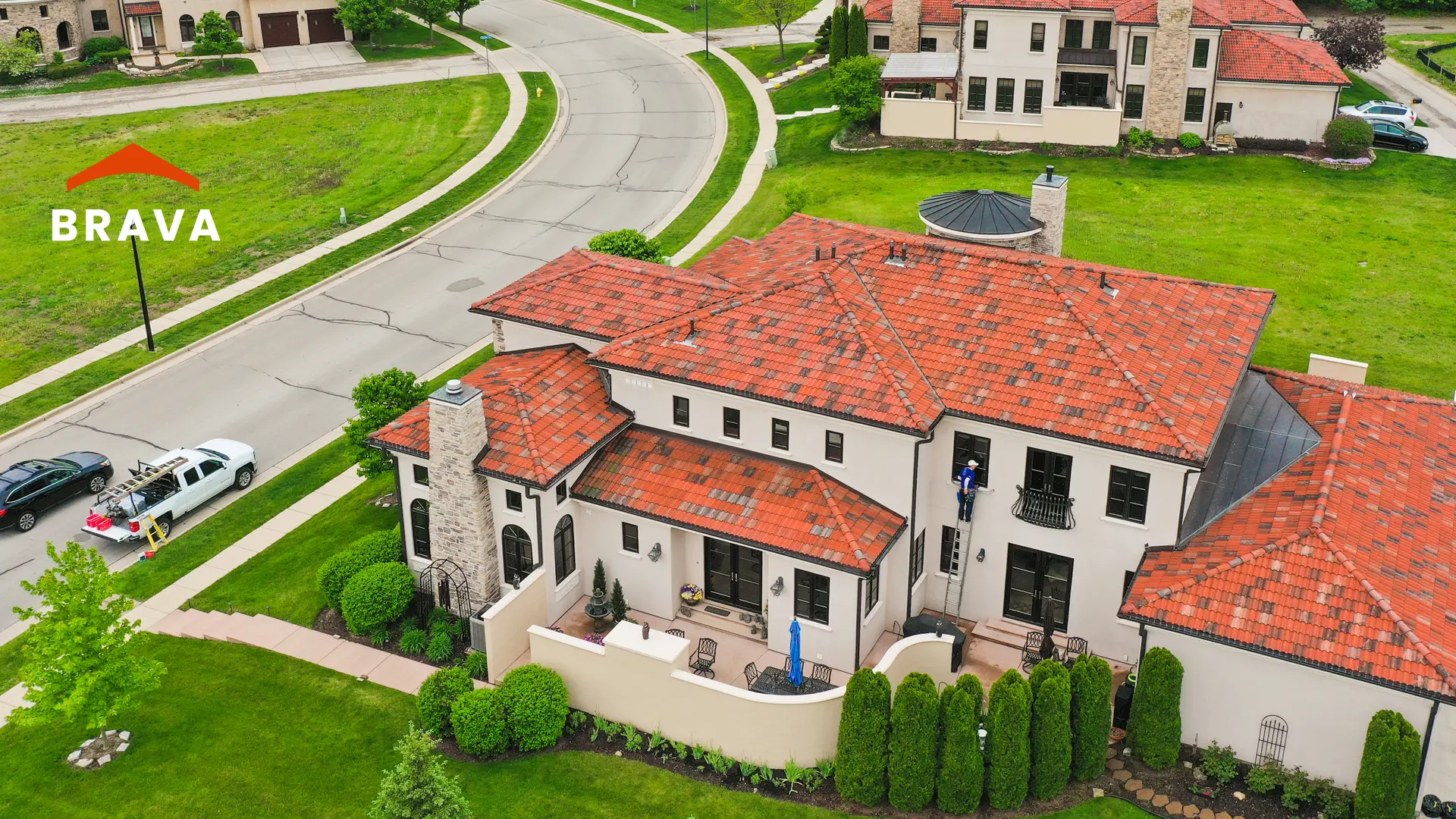
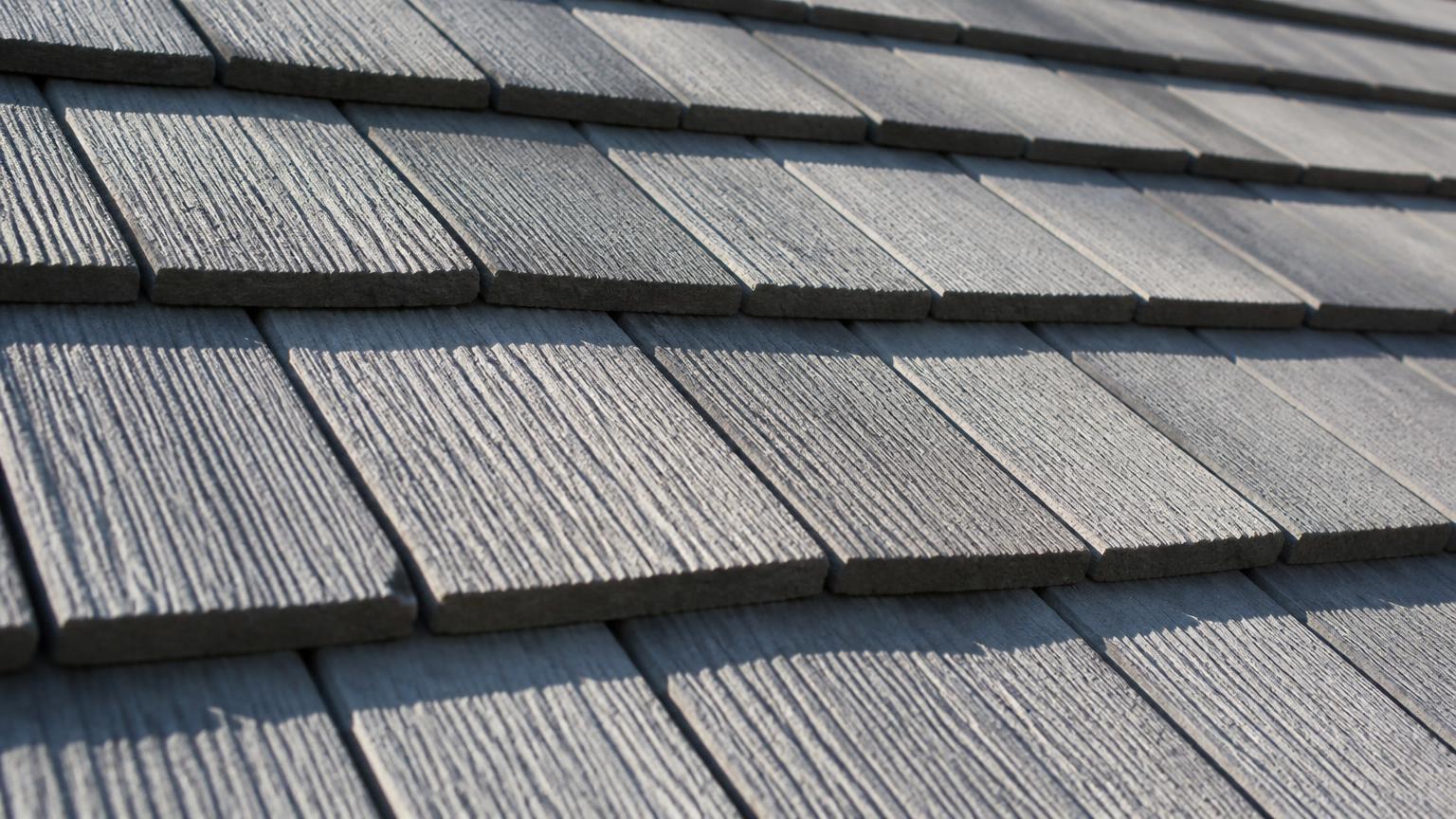
Cedar shake is the roofline the West Coast was built on — and the one our climate is hardest on. If your cedar roof is splitting, mossing over or shedding shakes, you have two honest options: put real cedar back on and commit to the maintenance cycle, or switch to Brava composite cedar shake and keep the look without the upkeep.
We install both, and we will price both for you. This page is about making that decision with real numbers instead of a sales pitch. For the brand overview, start at our Brava composite roofing page.
Why cedar shake roofs fail early here
Cedar does not fail because it is a bad material. It fails because of what the Lower Mainland does to it: months of rain, heavy shade on north-facing slopes, moss holding water against the wood, then a dry stretch that splits what is left. Keeping a real cedar roof healthy means cleaning, treating and replacing shakes on a repeating cycle — and eventually the interior repairs that follow a leak nobody caught in time.
Brava composite shake removes that cycle. There is nothing for moss to feed on, nothing to treat, and no shakes to replace one at a time. The tile is compression moulded from real hand-split cedar profiles, so the texture and shadow lines read as cedar from the street.
Real cedar vs Brava composite cedar shake
- Appearance. Real cedar silvers with age; Brava's multi-tone blends are moulded through the tile and hold the weathered-cedar look without treatment.
- Maintenance. Real cedar needs cleaning, treatment and spot replacement on a cycle. Composite needs gutters kept clear and not much else.
- Lifespan economics. Brava carries a 50-year limited material warranty. Real cedar in our climate rarely reaches its rated life without heavy maintenance spend.
- Weight and structure. Both are light enough for existing roof structures — no engineering surprises either way.
What a cedar shake roof replacement involves
- Assessment. Roof, deck condition where visible, ventilation, flashing details and access — then an honest recommendation on real cedar vs composite.
- Written scope. One document covering tear-off, deck repair allowance, underlayment, flashings, ventilation, material, timeline and price.
- Tear-off and deck work. Old shakes come off, the deck is inspected and anything soft is replaced before new material goes down.
- Install. Underlayment, flashings and ventilation first — that is where coastal wind-driven rain is actually handled — then the shake to manufacturer requirements.
- Handover. Nail sweep, site clean, walkthrough, and warranty paperwork: the manufacturer's material warranty plus our 10-year workmanship warranty.
Cedar shake replacement for strata complexes
A large share of Lower Mainland townhome complexes were built with cedar, and their strata councils are staring down the same decision at scale. We scope those projects building by building, phase the work so residents stay dry, and give council a written composite-vs-cedar-vs-asphalt comparison for depreciation-report planning. See our strata roofing page for how those projects run.
For the deeper decision walkthrough, read replacing a cedar shake roof with Brava, and our roof replacement page explains how we handle full reroofs generally.